We Saved the Toys of the 1980s. Now We’re Being Priced Out of Our Own Childhoods
By the Serpentor’s Lair Editorial Team | October 7, 2026
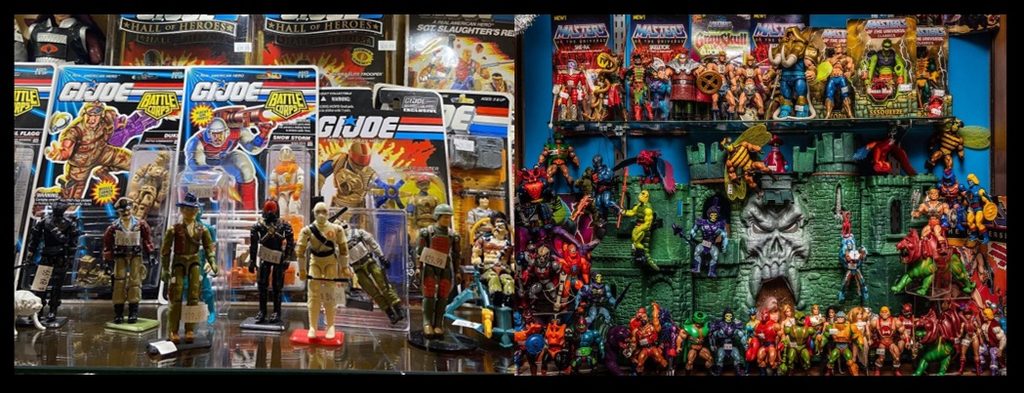
We kept G.I. Joe, Transformers, He-Man, and the rest of our childhood alive. But with today’s collector prices, limited editions, and preorder culture, a painful question deserves an answer: Who can still afford to belong?
We were the kids who wore the paint off our action figures. We lost their weapons in the backyard. We bent their file cards, snapped their rubber bands, and sent them into battles that lasted all afternoon. We didn’t know what a collectible was. We knew what a toy was.
Then we grew up.
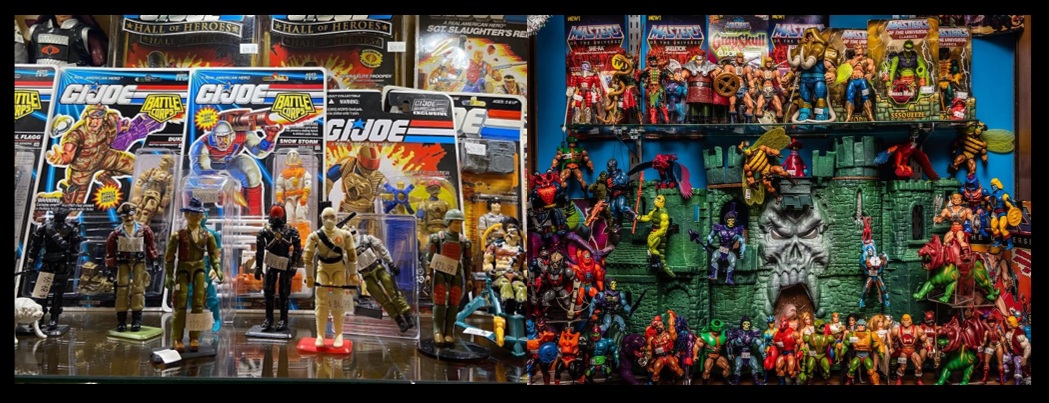
We got jobs, paid bills, raised families, and watched the companies that made our favorite childhood toys rediscover an audience that had never truly left. G.I. Joe came back. Transformers kept transforming. Masters of the Universe refused to disappear. And for a while, it felt like getting a second chance at childhood.
For many of us, 1980s toy collecting was supposed to be a second chance at simple happiness. But somewhere between our first allowance and our latest preorder confirmation, the hobby changed. An action figure became a line item in the household budget. An exclusive became an appointment. Missing a release could feel less like passing on a toy and more like losing an opportunity that might never return.
Did we spend more than forty years keeping these franchises alive, only to find ourselves priced out of the very childhoods we helped preserve?
The $2.99 G.I. Joe and the $27.99 Reality
Start with the kind of comparison that stings. Collector database ActionFigure411 lists the original 1982 G.I. Joe: A Real American Hero figures at a $2.99 retail price. That included early characters such as Scarlett, Flash, Snake Eyes, and Stalker. Actual shelf prices could vary by store, sale, and location, but $2.99 is a documented reference point for the original line.

Now visit Hasbro Pulse. Its G.I. Joe Classified Series Duke #208 is listed at $27.99. The modern figure stands six inches tall and includes six accessories. The vintage Joe was approximately 3.75 inches tall, with simpler tooling and fewer articulation points. They are not the same product, and pretending otherwise would be dishonest.
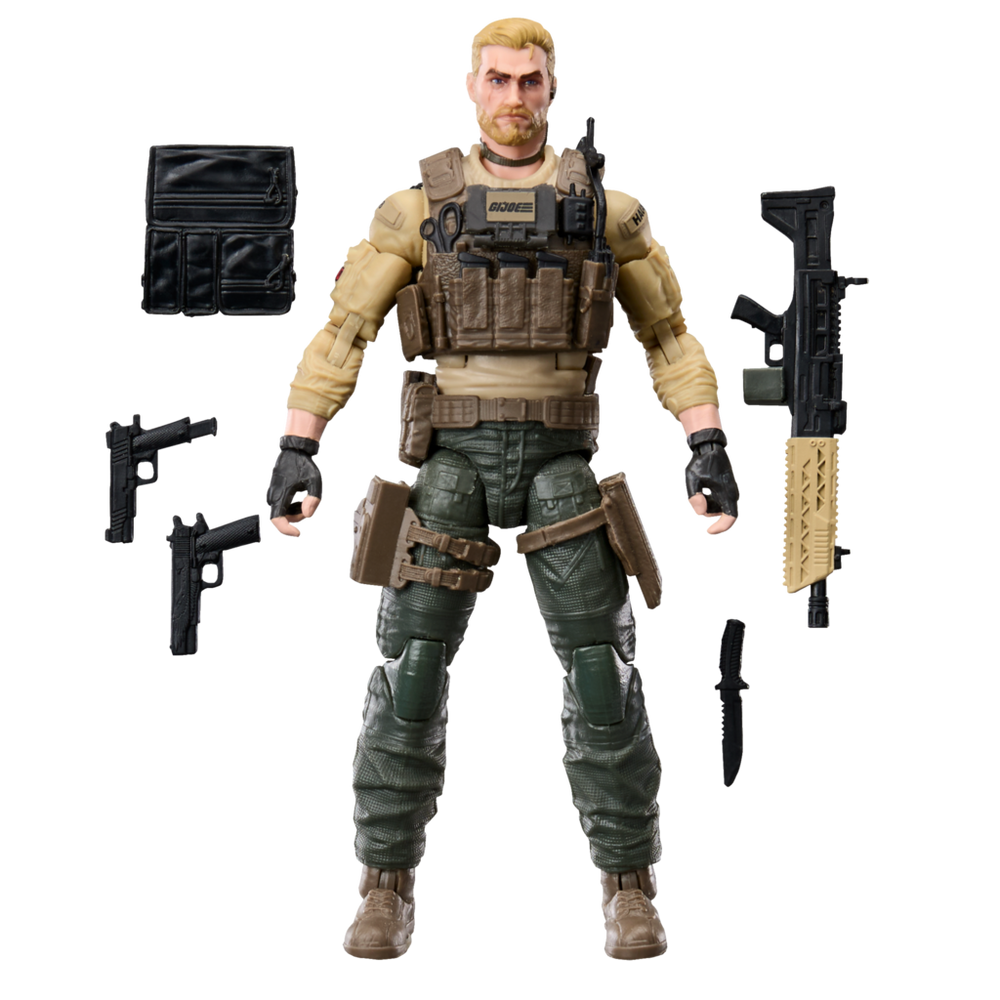
Inflation matters, too. The U.S. Bureau of Labor Statistics inflation calculator puts a $2.99 purchase in 1982 at roughly $10 in 2026 purchasing power. Today’s larger, more sophisticated Classified figure costs substantially more than that. The difference cannot all be explained by inflation, but neither can it automatically be labeled profit-taking: size, materials, production costs, distribution, and features have changed.
The point isn’t that a modern Duke should cost three dollars. The point is what happens when that $27.99 figure is one of dozens a devoted fan would love to own. Four standard figures total $111.96 before tax or shipping. Add an exclusive, a vehicle, and a few army builders, and the purchase stops feeling like a little nostalgia and starts looking like a serious financial decision.
We used to debate whether we had enough allowance for another Joe. Today we debate which preorder to cancel so we can afford the next one.
He-Man Proves the Story Is Bigger Than One Company
This isn’t simply a complaint about Hasbro. Mattel’s Masters of the Universe line provides another revealing comparison.
ActionFigure411’s vintage Masters of the Universe checklist records a $4.99 original retail price for the 1982 He-Man figure. Adjusted for changes in the overall price level, that’s roughly $17 in 2026 money. Mattel Creations lists its Origins Cartoon Collection He-Man for $20.
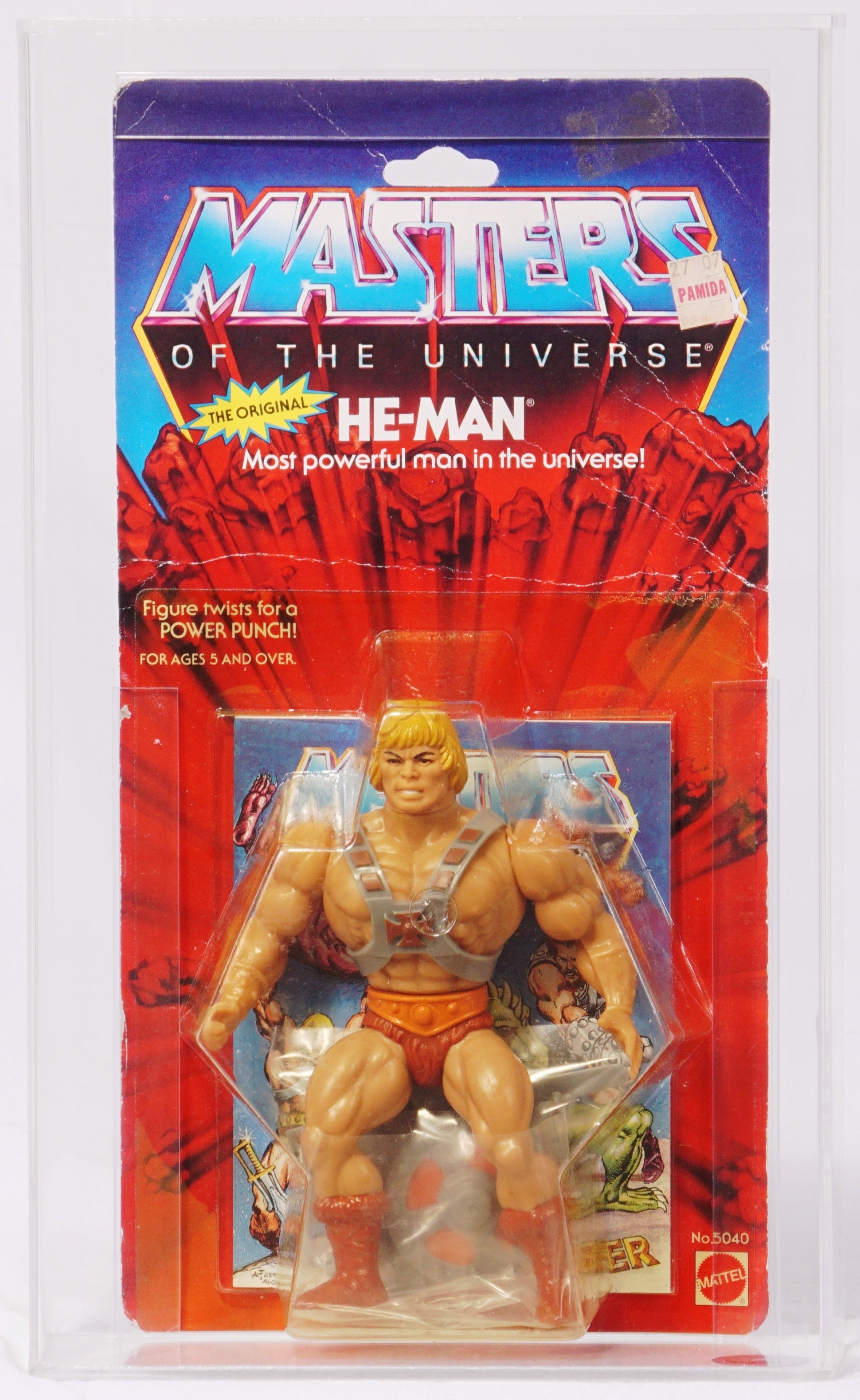

That is an important reality check. Some modern toys are reasonably close to their vintage equivalents once inflation is considered. The existence of a $20 He-Man is not evidence of an industry-wide pricing conspiracy. In fact, it’s evidence that accessible nostalgia can still exist.
But ask a Masters fan trying to complete multiple characters, deluxe releases, vehicles, and exclusives whether the total still feels modest. A single figure’s price can be defensible while the cost of participating fully in a collector line becomes overwhelming.
Affordability is not just the price of one toy. It’s the price of keeping up.
1980s Toy Collecting Has Become Big Business
For decades, adult collectors were treated as an unusual corner of the toy market. In 2026, they are impossible to ignore.
In its August 12, 2026 report, market research firm Circana said that U.S. toy dollar sales rose 17% in the first half of the year compared with the same period in 2025. More strikingly, purchases by adult-only households accounted for 55% of toy sales in the period. That household statistic should not be confused with the share of toys bought specifically for adults; Circana separately reported that toys purchased for recipients ages 18 and older grew 25%.
In other words, grown-up interest in toys isn’t a fringe phenomenon. It is a significant part of the industry’s business. The generation that once hurried home to watch G.I. Joe commercials is now a market worth competing for.
There is nothing inherently wrong with that. Companies can profit. Designers deserve to be paid. We get the beautiful sculpts, convincing accessories, elaborate packaging, and characters that never would have received figures forty years ago.
But when nostalgia is also a marketing strategy, collectors have every right to ask a difficult question: Are companies creating products for the people who love these franchises, or creating purchase pressures around the fear that those people might miss out?
When a Figure Costs $42.99, the Conversation Changes
Consider another current example. Hasbro Pulse lists an exclusive G.I. Joe Classified Series Action Man for $42.99, with a six-inch figure and twelve accessories. That is not a standard basic release. It is a specialized collector product, with more included pieces. Those distinctions are real.
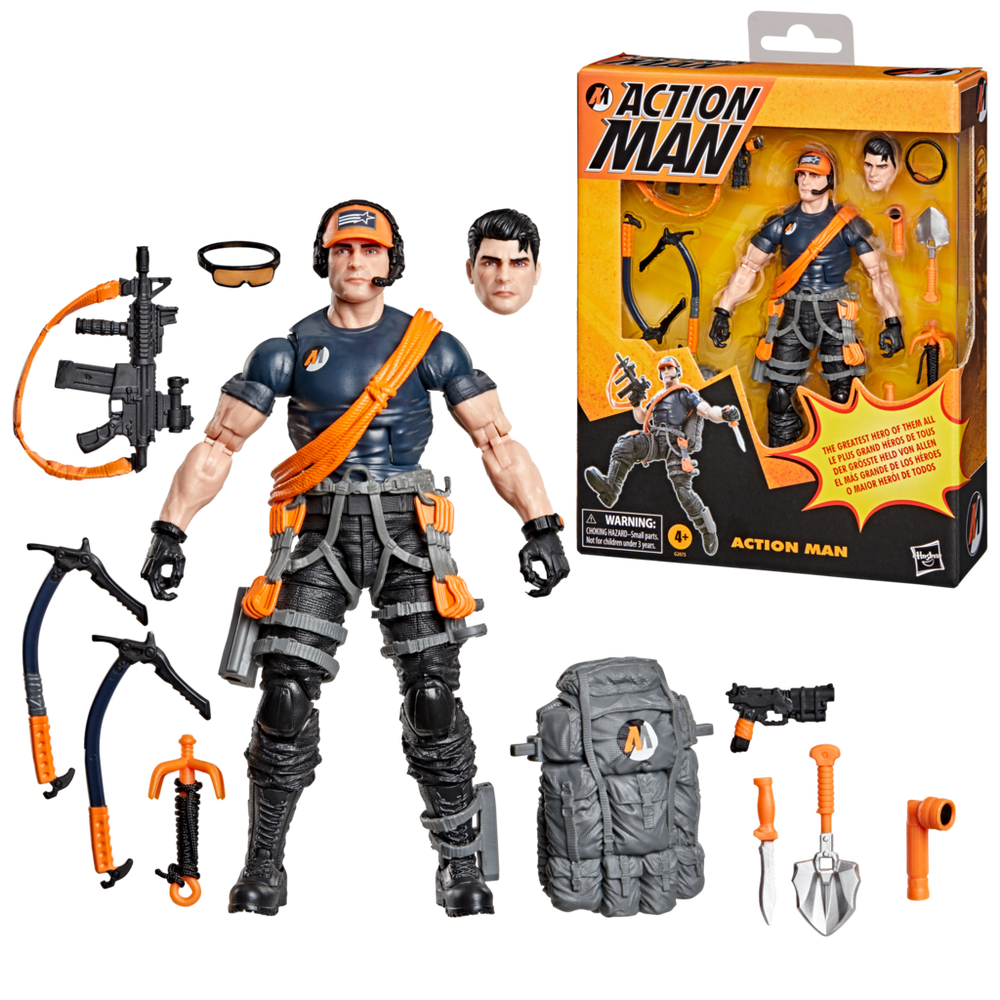
And yet, a fan looking at that price may not first think about tooling costs or accessory counts. They may think about the lunch they won’t buy, the other figure they’ll skip, or whether they’ll regret letting this one pass. That’s the emotional machinery of collector culture: no purchase feels entirely optional when every release is tied to a memory.
Now consider the upper end of the hobby. Hasbro’s crowdfunded Classified Series Cobra H.I.S.S. carried a $299.99 campaign price in 2022. This was a large, premium six-inch-scale vehicle with a driver, not a direct equivalent of the small vintage H.I.S.S. Tank and not a newly available 2026 retail item. It demonstrates something else: the collector market now supports products with price tags once associated with major household purchases.

Some collectors happily save for projects like that. Some want them and pass. Others feel they must order now because there may never be a normal retail opportunity later. None of those reactions is irrational. But the limited campaign model changes how we experience wanting something.
In the 1980s, you might return to the toy aisle next week and find another chance. Today, a countdown clock can make a collecting decision feel urgent even when the toy is supposed to be a source of relaxation.
And Then the Collectors Turn on Each Other
The rising cost of collecting is not only a conversation about manufacturers. It’s also a conversation about us.
We know the cycle. A preorder goes up. Someone announces that the price is outrageous. Someone else says nobody is forcing anyone to buy it. Another collector replies that anyone complaining must not be a real fan. Soon the conversation isn’t about the figure at all. It’s about who deserves to call themselves a collector.
That has to stop.
The fan with a room full of factory-sealed figures is not more authentic than the parent who can afford one birthday present. The person who backs every HasLab project does not love G.I. Joe more than the person whose entire collection is a battered Snake Eyes found in a shoebox.
Some collectors have the disposable income to buy whatever they want. Good for them. Others are working through rent, medical bills, family obligations, or retirement on a tight budget. Their love of a franchise is no smaller because their wallet is.
And let’s not pretend that secondary-market markups, resale speculation, and compulsive completionism don’t sometimes make that pressure worse. Those factors don’t define every seller or every collector. But they help create a world where the joy of finding something can be overshadowed by the anxiety of paying for it.
Fandom should be measured by what a toy means to you, not by what you can spend proving it.
A Fair Defense of Modern Collecting
To be fair, there has never been a better era in some respects for collectors who value sculpting, articulation, display options, and obscure character selection. Today’s toy makers have delivered figures many of us never expected to see. Advanced paint applications, interchangeable heads, elaborate diorama pieces, and highly detailed vehicles cost money to design and produce.
And not every release is a premium exclusive. Standard Classified figures and $20 Masters of the Universe Origins releases show there are different levels of entry into the hobby. Discounts happen. Older lines remain available on the secondary market. No one truly has to complete an entire collection.
Those are legitimate counterarguments. They deserve to be heard.
But an industry can offer beautiful products and still leave part of its audience behind. A collector can appreciate craftsmanship and question affordability at the same time. Loving a brand doesn’t require accepting every price, every distribution decision, or every marketing tactic without criticism.
That isn’t disloyalty. It’s what an invested audience does when it wants something it loves to survive.
What Happens When the Next Generation Can’t Join Us?
Here’s the danger that matters even more than our own shelves.
Who comes after us?
What does G.I. Joe look like to a child who rarely sees a figure within reach of an ordinary allowance? What happens when a classic toy franchise is experienced mainly through pricey collector preorders, display cabinets, and videos about collectible value instead of kids inventing adventures on a bedroom floor?
Today’s collectors are powerful customers. But we will not be here forever. If the most enthusiastic audience ages and nobody new develops the same connection, the brands themselves face a long-term challenge.
Not every release needs to target children; adult collectors deserve products made for them. But the future of these franchises will be stronger if the industry protects affordable entry points alongside premium lines. A child should still be able to discover a character because the toy looks cool, not because an adult explained that it is a valuable collectible.
The toys that made the 1980s special were not special to us because they were rare. They were special because we could play with them.
We Didn’t Fall in Love With Price Tags
Maybe the rarest thing in our collections isn’t an exclusive figure or a sealed vehicle. Maybe it’s the feeling we had before we knew what anything was worth.
Before online countdowns. Before resale graphs. Before mint-on-card grades and arguments over whether a toy is an investment. Before we learned to describe a plastic figure as an asset.
We remember the cardboard backing, the bright artwork, and the first time a new character joined the team. We remember playing with friends, trading accessories, and imagining entire worlds with something that fit in one hand.
That’s why this matters. Not because every modern price is unfair. Not because companies should stop creating ambitious collector pieces. And certainly not because adults should be embarrassed to love toys.
It matters because the whole point was joy.
We saved the toys of the 1980s by refusing to forget them. Now it’s time to remember the most important part: a childhood doesn’t belong only to the people who can afford the deluxe edition.
Maybe the best thing we can do for the future of collecting isn’t buying the next exclusive. Maybe it’s making sure someone else gets to fall in love with these toys, too.
Join the Conversation
Has toy collecting become too expensive for ordinary fans? What was the first G.I. Joe, Transformer, or Masters of the Universe figure you bought with your own money? And which modern release finally made you say, “That’s too much”? Tell us in the comments. We want to hear from collectors on both sides of this debate.
Sources and Price-Comparison Notes
- ActionFigure411: Vintage G.I. Joe A Real American Hero checklist — 1982 guide retail prices, including $2.99 for early figures.
- U.S. Bureau of Labor Statistics: CPI Inflation Calculator — basis for approximate purchasing-power comparisons. Rounded figures are illustrative; current-year values can change.
- Hasbro Pulse: G.I. Joe Classified Duke #208 — $27.99 listed price and official specifications.
- ActionFigure411: Vintage Masters of the Universe checklist — $4.99 1982 He-Man guide retail price.
- Mattel Creations: Origins Cartoon Collection He-Man — $20 product listing.
- Circana, August 12, 2026: U.S. Toy Industry Posts Strongest First Half in Six Years — toy-sales growth and adult-consumer data.
- Hasbro Pulse: Classified Action Man — $42.99 exclusive listing.
- Hasbro Pulse: HasLab Cobra H.I.S.S. — historical 2022 campaign price of $299.99. Campaign has closed.
Editor’s note: Product prices are U.S. listed prices checked for this editorial in October 2026, before any applicable taxes or shipping. Availability and prices may change. Vintage retail figures are published guide prices rather than a promise that every store charged the same amount. Comparisons involve different scales, features, and eras. Vintage photographs are credited to Collector Archive Services; modern product images are credited to Hasbro and Mattel. Photo credits do not by themselves grant reuse rights—obtain permission or replace with photographs you have the right to publish before going live.